Give a Hoot!
Spokane Audubon’s Blog
Welcome to our blog where we will offer commentary and reviews on various topics related to conservation, sustainability, and whatever else we think our members might “give a hoot” about!
Did you know that glass doors and windows can be very dangerous for our flying friends?
Have you ever been to Malheur National Wildlife Refuge in eastern Oregon? Please plan to join us, April 22nd to the 25th on our way back from Arizona! We are fairly new members of Spokane Audubon, Bill and Ann-Scott Ettinger, but have been long time birders, and Malheur is one of our favorite late spring destinations!
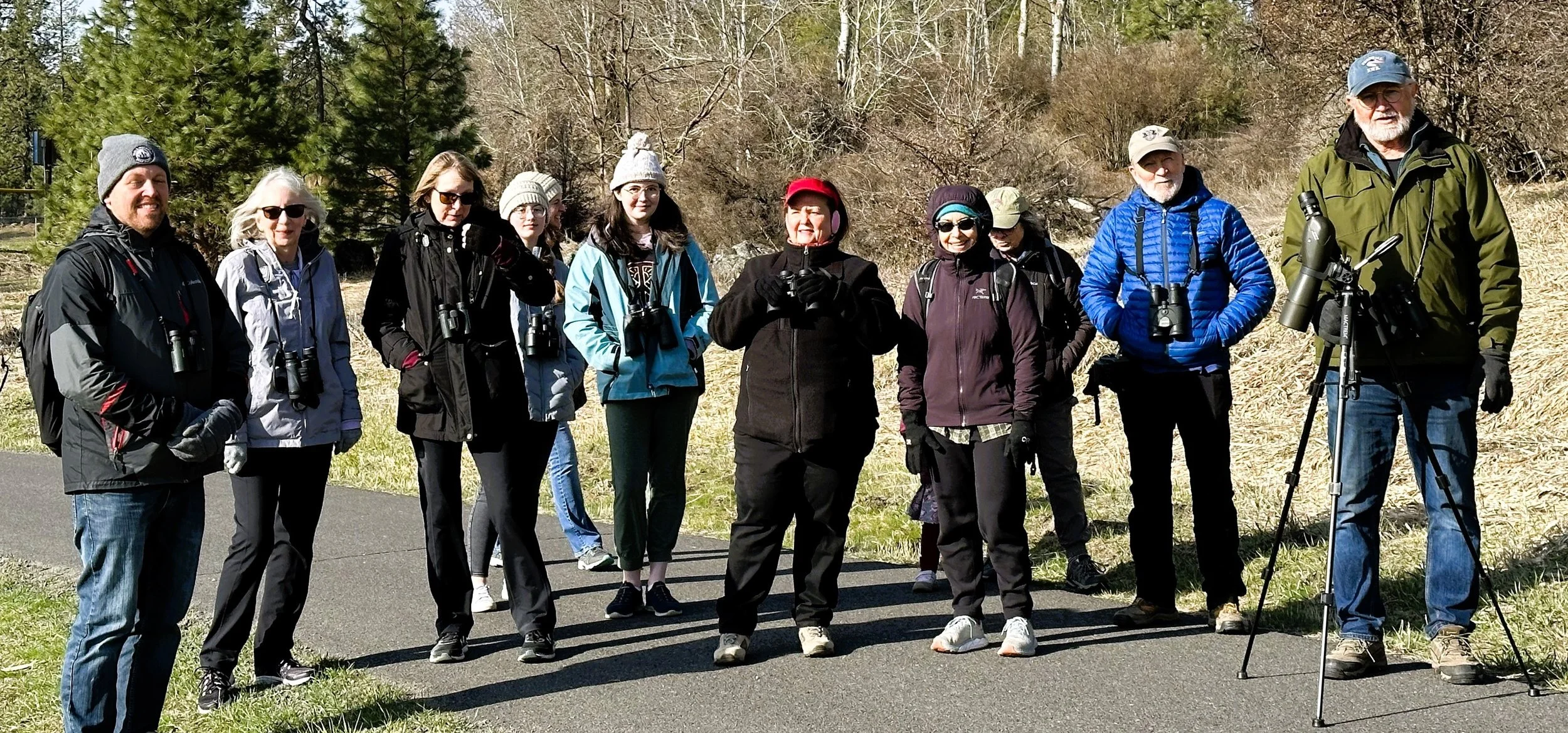
As winter draws to a close, we eagerly anticipate the return of warmer days and the awakening of nature. This transition marks the perfect time to kick off a new birding field trip season. Whether you're a seasoned birder or just beginning, join us as we explore diverse habitats and enjoy the sights and sounds of migratory and resident birds. Get your binoculars ready—adventure awaits! Details will be posted on the events page of the website. These events are offered free of charge, as usual.
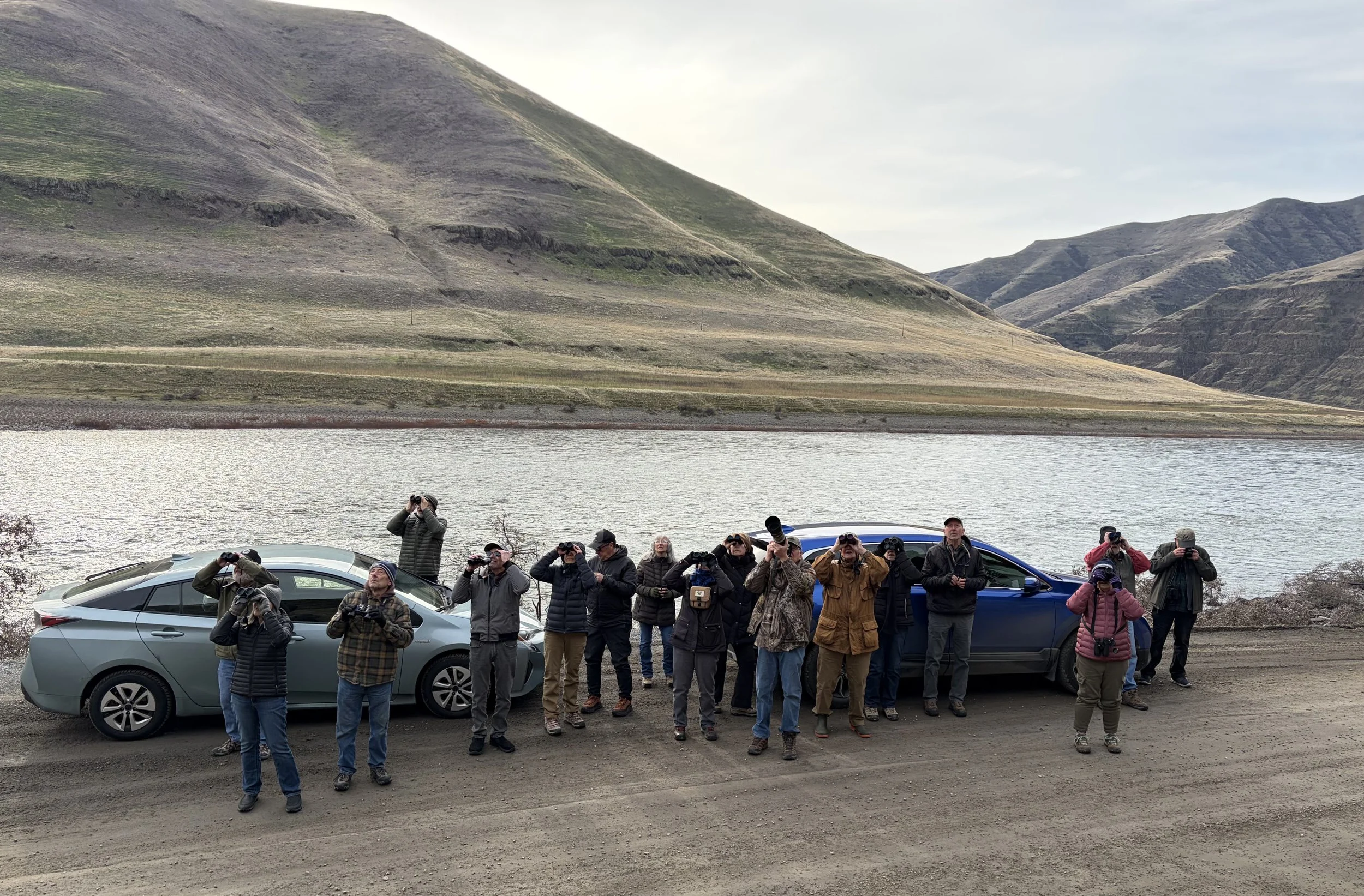
Recently my wife, Bea and I were invited to attend the Canyon Birders annual eagle count along the Snake River in southeastern Washington. The Canyon Birders is an established club within the Lewiston/Clarkston Valley, originally founded by local educators. The organization is recognized for organizing well-regarded birding excursions at various sites throughout the region. They have conducted the eagle census for many years. This nationwide survey began in 1979 to monitor Bald Eagle populations across the lower 48 states. Check out this website for more history of these eagle surveys. https://gis.nacse.org/eagles/history.php
This year, volunteer team members logged more than 300 hours responding to 420 reports from the public regarding injured, sick, or vulnerable birds. The team handled most of these incidents by providing advice / coaching to the reporting party over the phone. A total of 99 separate incidents required physical intervention by team members. Often, these involved capturing and transporting injured birds to cooperating veterinarians. Our volunteers drove almost 5,500 miles to complete physical interventions with wild birds this year.
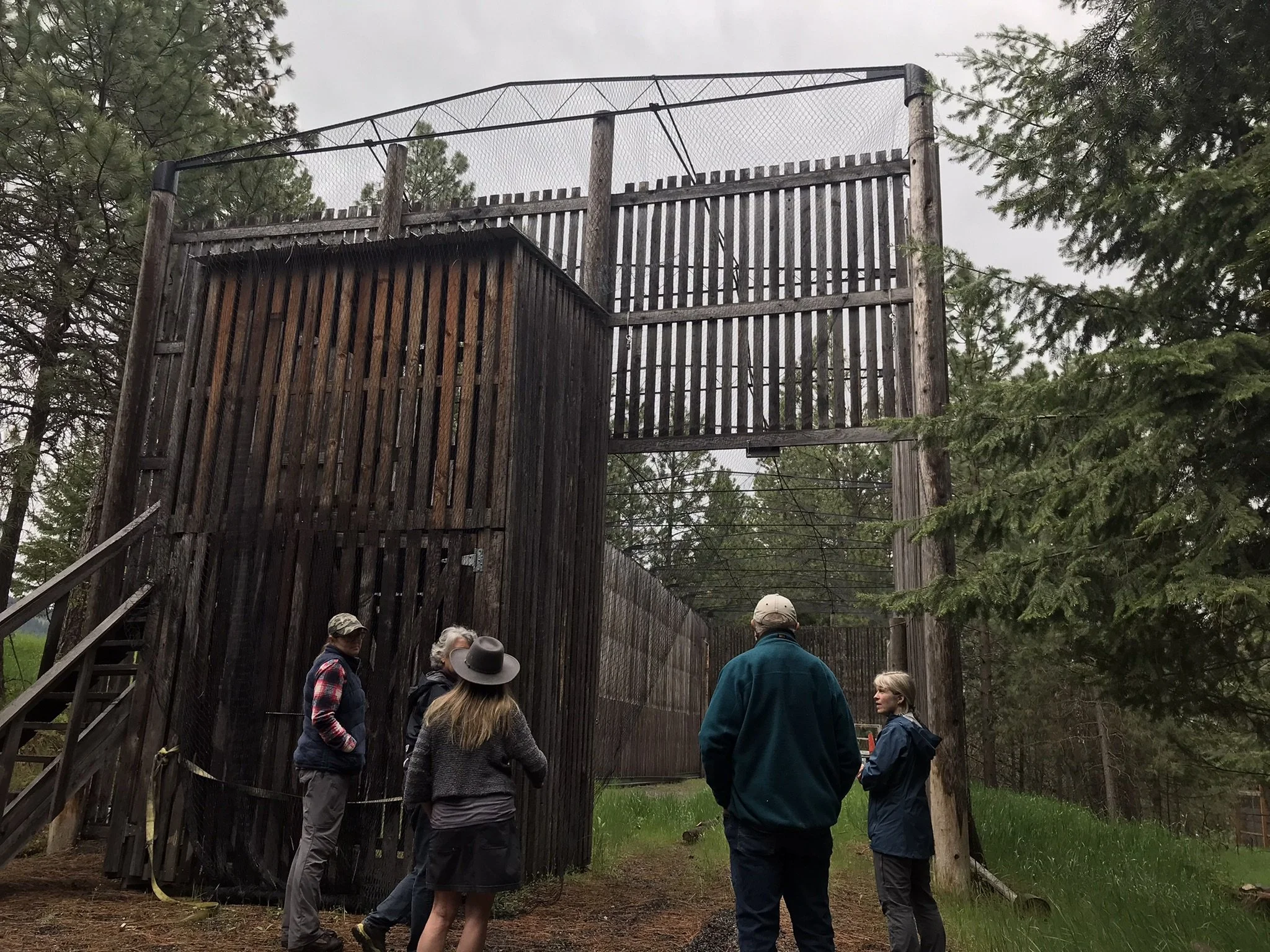
Donations are urgently needed to help repair damage to the Birds of Prey Northwest bird sanctuary. A late December windstorm caused extensive damage to this vital raptor rehabilitation center.
Brian Miller, who served on the Spokane Audubon Society (SAS) board and in other leadership roles in past decades, died December 14 after battling cancer for years.
So today I want to talk about birds and fireworks. Its almost new years eve. We need to keep birds happy.
Spokane Audubon has lost a revered elder. Jan Reynolds died in fall 2025. She and her husband Ed were among early members of the society, including service on the board where Ed served as secretary. Jan’s contributions to Spokane Audubon and our birding community leave a wonderful legacy.
This term has been around for a long time. It is a common phrase used in some parts of the country. When my wife and I moved to “this neck of the wood” ten years ago my fellow birders gave me strange looks when I used this term.
A few weeks ago, my boyfriend Ben and I were visiting his sister in rural Eastern Washington. Her home lies in a mixed landscape where open fields and pasture lands rest scattered around stands of forest. It is a beautiful place. But our mission for the day was not to relax under the Ponderosa Pines, listen for the calls of the wild birds, or hike to explore the area. The purpose of the trip was to install two toilets.
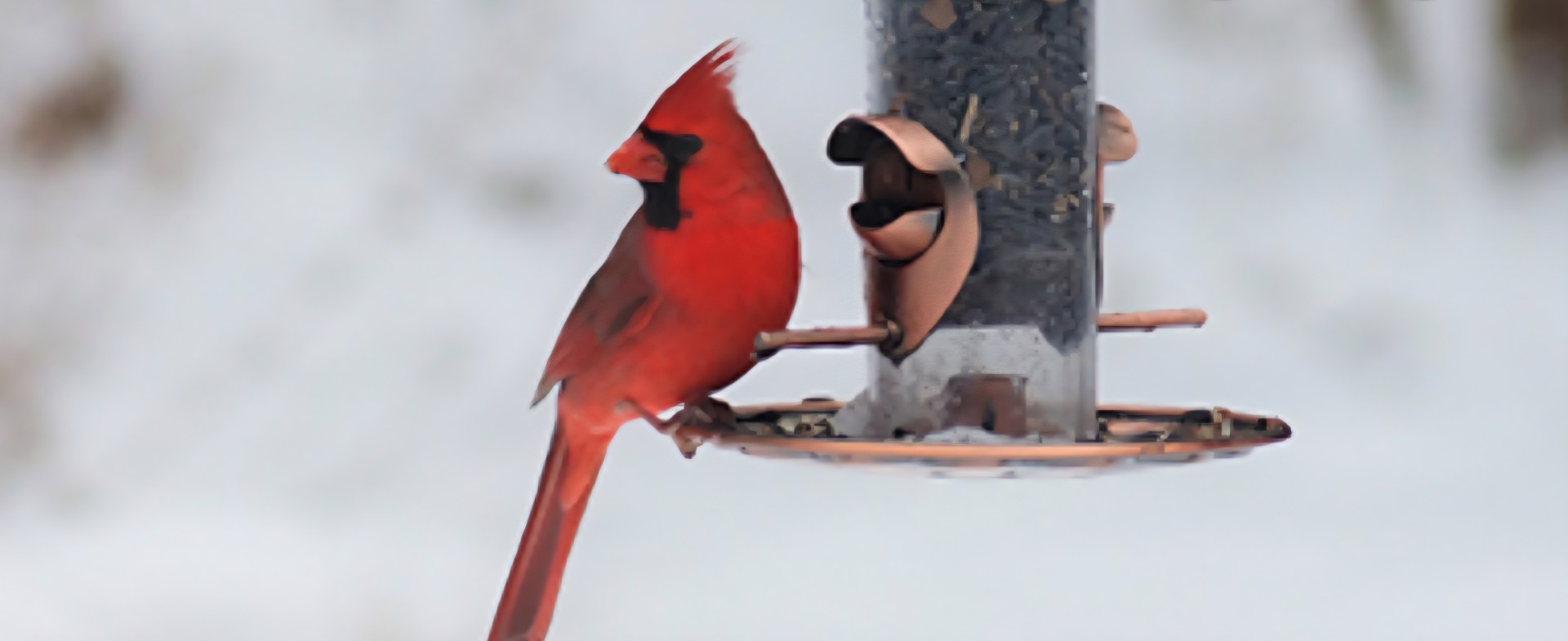
If you are feeding birds out of a feeder, make sure to clean it to help keep birds healthy.
Why do birds migrate in the Fall?
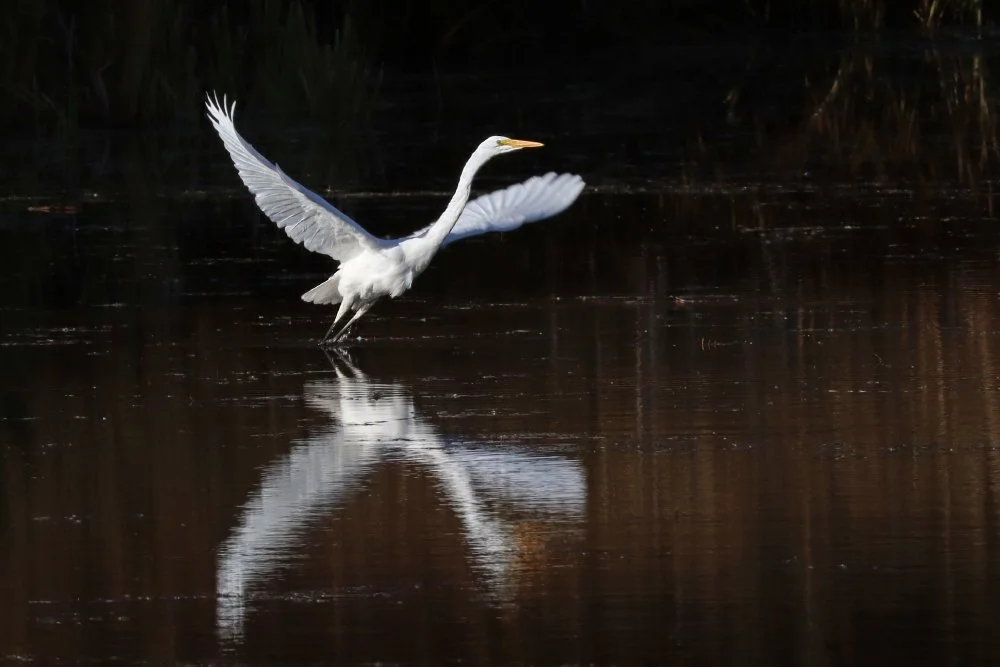
They migrate primarily to find food, especially when their aquatic habitats freeze over in colder months. Migrating is a great way to escape harsh weather and find more temperate climates where the waterways remain open and the days are longer.

By now, most birders in the region have likely heard about this recent, uncommon visitor to Turnbull National Wildlife Refuge. Great gray owls are the largest owl species in North America, having a wingspan of up to five feet. They inhabit bogs, grassy meadows and boreal forests, where they feed mainly on small mammals such as voles. When vole populations crash, the birds can move in large numbers south of their usual range, particularly in the winter.